From its first restaurant in India to a 500-outlet network across West and South India, McDonald’s demonstrates how operational discipline, regional expansion and supply-chain integration can shape long-term QSR growth.
The Indian Quick Service Restaurant (QSR) industry continues to attract significant attention from entrepreneurs, investors and food-service operators. While several emerging food brands are competing to establish their footprints, established international brands are demonstrating what it takes to build and sustain a large restaurant network.
McDonald’s has reached another important milestone in this journey.
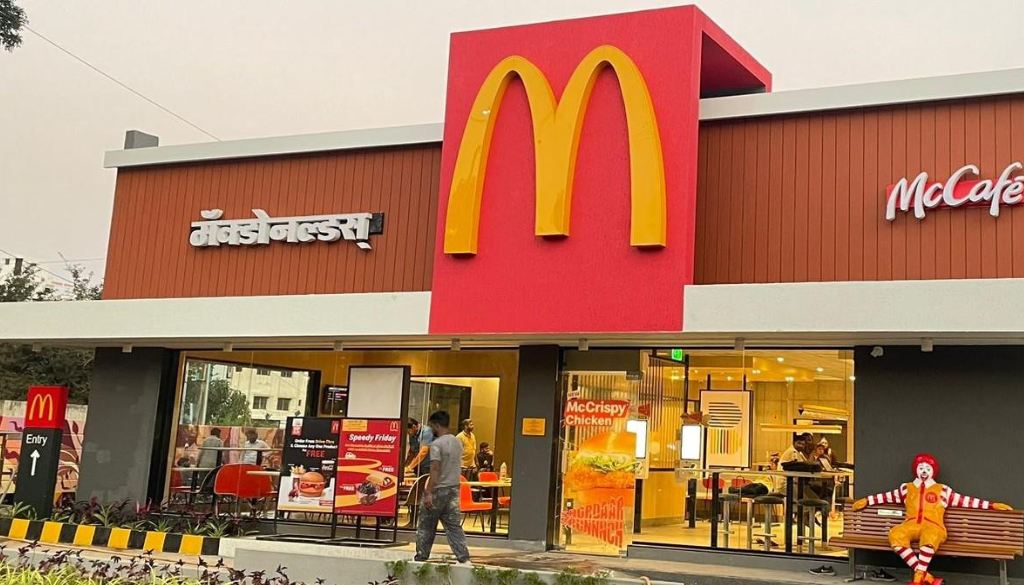
Westlife Foodworld, through its subsidiary Hardcastle Restaurants, has opened its 500th McDonald’s restaurant across West and South India at Gujarat International Finance Tec-City (GIFT City), Gujarat. The milestone coincides with McDonald’s completing 30 years in India and the opening of its 4,000th restaurant across the McDonald’s Asia Business Unit.
But beyond the milestone numbers, this development offers several interesting lessons for India’s growing franchise and QSR ecosystem.
1. From One Restaurant to a 500-Outlet Network
McDonald’s entered the Indian market in 1996, opening its first restaurant in Bandra, Mumbai.
Over the years, the brand has developed a substantial presence across multiple states through its regional operating structure.
Westlife Foodworld operates McDonald’s restaurants across West and South India through Hardcastle Restaurants, while the North and East Indian markets operate under a separate corporate entity.
The latest GIFT City opening takes Westlife’s restaurant network to 500 outlets, reflecting three decades of brand development and operational expansion in India.
2. Gujarat: A Strategic Market for Future Expansion
Gujarat is emerging as an important growth market for McDonald’s.
With the GIFT City opening, the brand’s presence in Gujarat has reached 72 restaurants, including 31 standalone drive-thru outlets.
The company has set an ambitious target of expanding its Gujarat network to 100 restaurants over the next two to three years.
This expansion reflects the importance of identifying high-potential markets, understanding consumption patterns and selecting locations that offer long-term business opportunities.
For QSR operators, market selection is not simply about population density. Consumer spending, commercial development, accessibility, real estate availability and delivery potential also influence location decisions.
3. Multiple Restaurant Formats: Reaching More Consumers
One of the important aspects of McDonald’s expansion strategy is its ability to serve customers through different consumption formats.
Its restaurant ecosystem includes:
- Traditional dine-in restaurants.
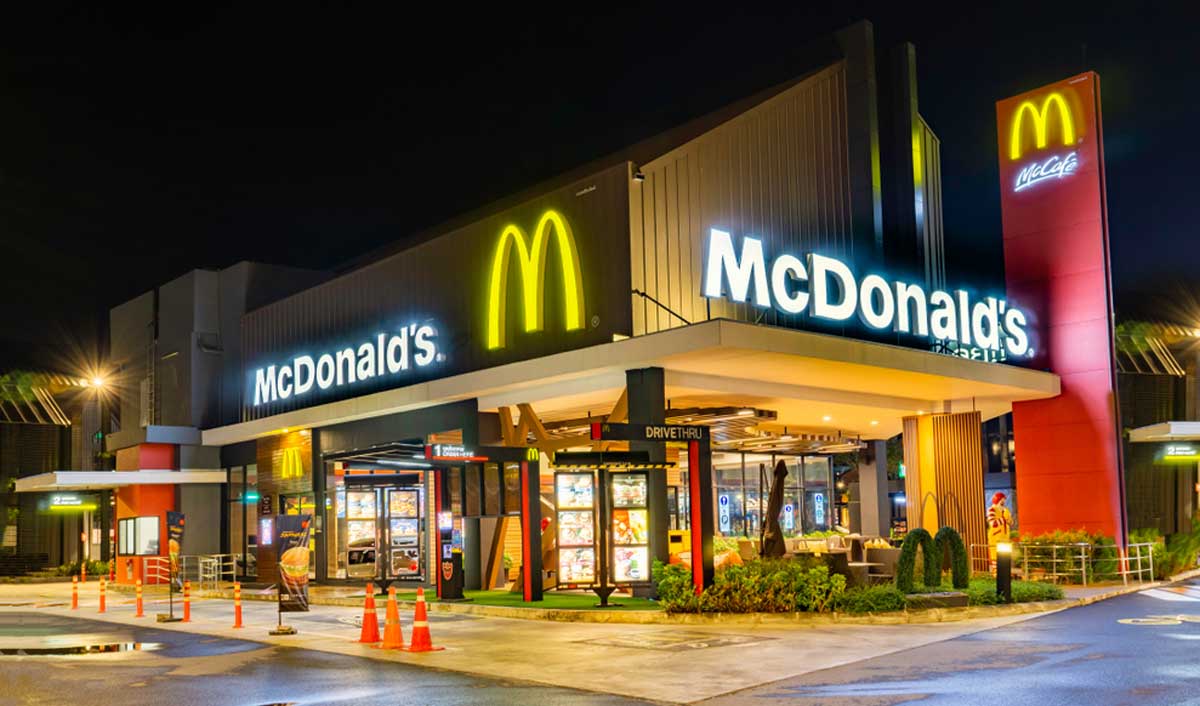
- Standalone drive-thru outlets.
- Takeaway and delivery services.
- McCafé and other brand extensions.
The 3,200-square-foot GIFT City restaurant provides both dine-in and delivery services.
Different formats allow QSR brands to address different customer requirements, locations and consumption occasions.
For emerging food brands, this offers an important lesson: expansion need not follow a single restaurant format. A brand can evaluate multiple formats depending on its target market, investment capacity and operating capabilities.
4. Local Sourcing: Strengthening the Supply Chain
Restaurant expansion requires more than customer acquisition and location selection. A dependable supply chain is equally important.
Gujarat also contributes to McDonald’s supply-chain ecosystem. Potatoes cultivated in the state are used for McDonald’s fries through its supplier partnership with McCain.
This highlights the importance of developing local supplier relationships, maintaining consistent product quality and establishing dependable procurement systems.
For growing QSR brands, supply-chain planning should begin well before aggressive outlet expansion.
A restaurant network cannot scale sustainably without consistency in ingredients, procurement, storage, logistics and quality control.
5. Operational Discipline and Customer Experience
According to Westlife Foodworld Managing Director Saurabh Kalra, the company’s growth has been supported by restaurant teams, operating discipline and a continued focus on quality, service and value.
This reinforces a fundamental principle of the QSR business: customers may visit a restaurant for its food, but their repeat visits are influenced by the overall experience.
Consistency in food quality, service speed, hygiene, pricing and convenience becomes increasingly important as a restaurant network expands.
For franchise operators, maintaining these standards across multiple locations requires documented processes, employee training, operational monitoring and strong management systems.
6. The Next Growth Milestone: 580+ Restaurants by FY28
Westlife Foodworld has outlined its next expansion objective: growing its network to more than 580 restaurants across West and South India by FY28.
The company also aims to increase its Gujarat presence to 100 restaurants within the next two to three years.
The expansion strategy is supported by investments in restaurant development, digital innovation and customer convenience.
Moving from 500 to more than 580 restaurants will require careful execution across location selection, infrastructure, talent acquisition, procurement and customer experience.
7. What Can Indian Franchise Brands Learn from McDonald’s?
The McDonald’s expansion journey offers several lessons for entrepreneurs and franchise businesses.
1. Build the operating model before expanding.
A successful pilot outlet does not automatically translate into a successful multi-location business.
2. Choose markets strategically.
Expansion should be driven by market potential, consumer demand and location economics.
3. Develop multiple business formats.
Dine-in, takeaway, delivery and drive-thru formats can address different customer segments.
4. Strengthen the supply chain.
Reliable sourcing and quality control are essential for maintaining consistency.
5. Invest in people and processes.
Restaurant teams, training, SOPs and operational monitoring are critical to sustainable expansion.
6. Focus on customer experience.
A strong brand promise must be delivered consistently at every outlet.
Conclusion: Expansion Is About Building Systems, Not Just Outlets
McDonald’s reaching 500 restaurants across West and South India is more than a numerical achievement. It demonstrates the importance of combining brand strength, regional market understanding, operational capabilities and supply-chain integration.
As India’s food-service industry evolves, emerging restaurant brands and franchise entrepreneurs can learn from established QSR operators.
The next phase of growth will not simply belong to brands that open the maximum number of outlets. It will belong to businesses that can replicate their customer experience, maintain operational standards and build profitable networks.
At FranchiseBytesBySG, we believe that sustainable franchise expansion begins with a strong business model and grows through disciplined execution.